


Broken bones are common in childhood. Children’s bones are softer and more flexible than adults’, so they often bend before they break. That’s why kids commonly get buckle or greenstick fractures. Both usually heal well with the right care.
So how do you tell them apart, and when should you get it checked?
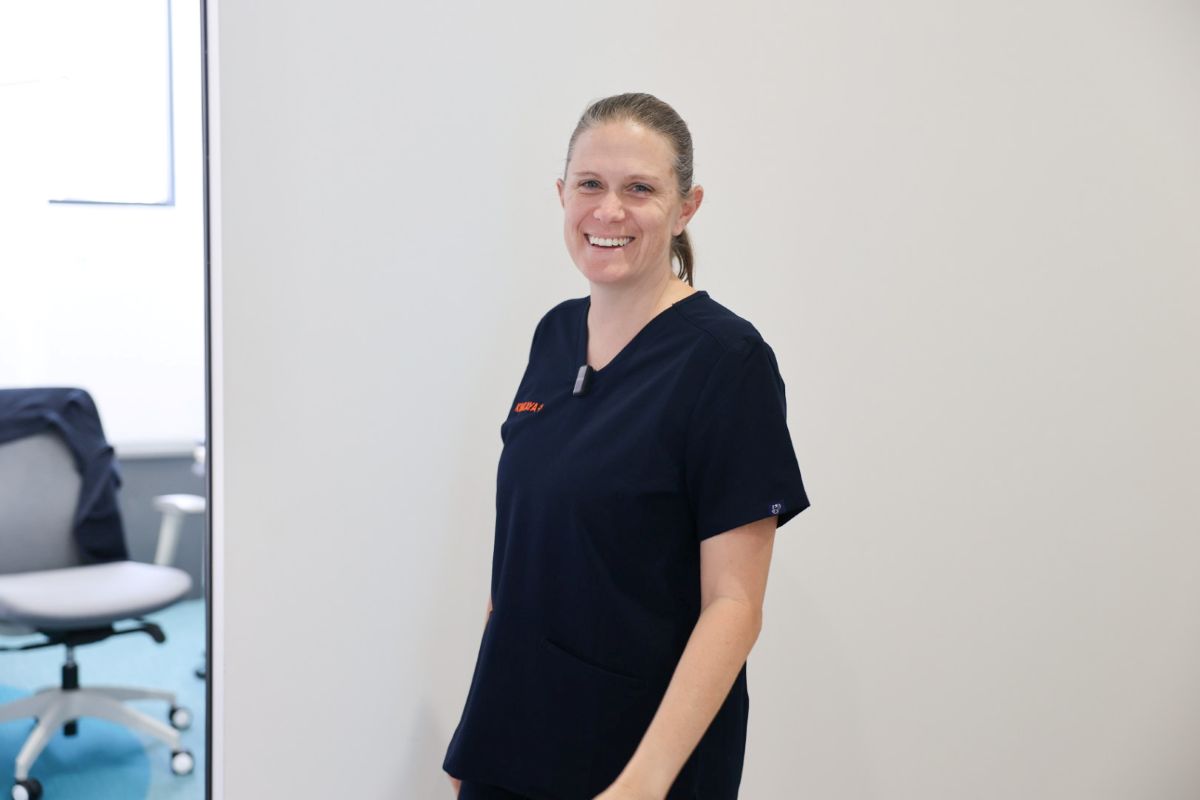
We sat down with Dr Jenny Palmer, from our Fracture Clinic, to talk through what each one means, the signs to look for, and what to do if you think your child has a broken bone.
What is a buckle fracture?
A buckle fracture happens when the bone is squashed and bulges on one side without breaking all the way through. It’s most common in the wrist, usually after a child puts a handout to break a fall.
Buckle fractures are stable and tend to heal within a few weeks with rest and simple pain relief. Many don’t need a cast. A splint or sling may be used for comfort, and it’s best to avoid contact sport for around four weeks.
What is a greenstick fracture?
A greenstick fracture is when the bone cracks on one side and bends on the other, like a fresh green twig. It’s common in the forearm.
Because the bone is bent, a greenstick fracture usually needs a cast for around six weeks. Sometimes the bone needs to be gently straightened first.
What are the signs a child may have a broken bone?
Look for pain that doesn’t settle, swelling or tenderness over the bone, or a child who doesn’t want to use their arm, hand or leg. Kids can sometimes still move a broken arm or walk on a broken foot, so movement alone doesn’t rule out a fracture.
Broken fingers and toes are common too. A finger that looks crooked or twisted should be seen promptly.
However, an x-ray is the only way to know for sure. Kinkaya has radiology on site so you can find out on the same day what is going on.
Urgent vs Emergency
If a limb is clearly bent or out of shape, bone is coming through the skin, or there is heavy bleeding, call 000 or go to your nearest emergency department.
Keep perspective
“Summer brings new bikes, scooters and trampolines, and with them a few more falls. Helmets, wrist guards and one-at-a-time trampoline rules go a long way. And remember, most children’s fractures heal well. Kids’ bones are still growing, so they mend quickly and can even reshape themselves over time “ says Dr Palmer.
If you think it might be a break, walk into Kinkaya Urgent Care, 8am to 10pm, 7 days, for assessment and on-site x-ray, including evenings and weekends. Our Fracture Clinic then looks after casting, follow-up and the final check.
This article is general information only and is not a substitute for professional medical advice, diagnosis or treatment.
Dr Jenny Palmer works in the Fracture Clinic at Kinkaya, which runs every Monday, Wednesday and Friday.